Preventative Dentistry Is an Investment in Your Future Smile
When it comes to looking after your teeth, prevention costs less than repair. At Vivaldi Smile Artisans, we see regularly how preventative dentistry today can save you from more complex and more expensive treatment later. It is not just about keeping your teeth clean, it is about protecting your teeth, your health and your budget over the long term.
The True Cost of Waiting
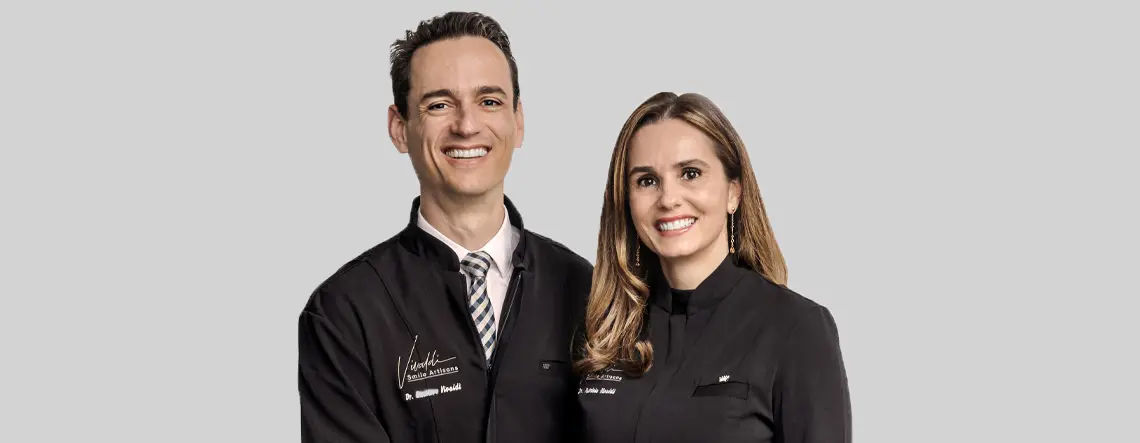
Dr Patricia Vivaldi appeared on Channel 10 to discuss this topic. Her point was straightforward:
The longer you wait to have dental treatment, the more expensive your dental treatment will get because then you will require more complex treatment that will cost more.
It is a pattern we see often. A small problem left alone becomes a larger one that costs more to treat, takes longer to fix, and is harder on the tooth.
Think of preventative dentistry as regular maintenance for your car. You would not skip oil changes and tyre rotations only to face engine failure later. Regular cleans, oral cancer screenings and routine check-ups work the same way: they identify issues before they become painful and expensive.
What Preventative Dentistry Includes
At our practice in Sydney CBD, preventative care covers:
- Regular dental cleans that remove plaque and tartar buildup
- Professional fluoride treatments that strengthen tooth enamel
- Custom mouthguards to protect your teeth during sport
- Occlusal night guards for patients who grind their teeth at night
- Oral cancer screenings, using technology that helps identify changes in your oral tissues early
Each of these plays a part in keeping your teeth healthy and heading off more serious problems.
The Financial Benefits of Prevention
Consider the arithmetic. A routine clean and check-up costs a fraction of what you might pay for a root canal, a crown or a dental implant. When a small cavity is caught early, a simple filling resolves it. Left long enough, the same tooth might need root canal treatment, a crown, or extraction and replacement with an implant. The difference can run to thousands of dollars.
Beyond the direct savings, preventative care helps you avoid the indirect costs of dental emergencies: time away from work, urgent appointments, pain relief, and the disruption of dealing with a problem that will not wait. Many of our patients tell us they wish they had started regular preventative care sooner.
The Health Connection
Your oral health is connected to your general health. Research continues to show links between gum disease and conditions including heart disease, diabetes and respiratory infections. By maintaining good oral health through preventative dentistry, you are not only protecting your teeth, you are supporting your overall health.
Regular visits also let us track changes over time, so subtle shifts that might signal a developing problem are picked up early. Earlier detection usually means simpler treatment, and it keeps more of your natural tooth structure intact.
A Comfortable, Professional Experience
We have built a calm, welcoming practice where preventative care is straightforward and comfortable. Some patients feel anxious about dental visits, so our team takes the time to explain each step, answer your questions, and make sure you know what is happening and why.
We use digital X-rays, intraoral cameras and laser therapy, which allow us to detect issues earlier and treat them more conservatively.
Making Prevention a Priority
There is no bad time to start preventative care. Whether you are overdue for a clean or you keep regular appointments, our Sydney CBD practice at Shop 102/161 Clarence St is easy to reach from anywhere in the city.
Preventative care is the least expensive dentistry you will ever have, and it is the part that keeps everything else simpler. To book a check-up and clean, book online or call (02) 8252 7677. See our preventative dentistry page for everything included.
The content on this blog is not intended to be a substitute for professional medical advice, diagnosis, or treatment. Always seek the advice of qualified health providers with questions you may have regarding medical conditions.