Cosmetic bonding, also known as teeth bonding or aesthetic bonding, is a very popular and conservative method utilised to restore the appearance and function of teeth.
Composite Bonding
Cosmetic bonding also known as teeth bonding or aesthetic bonding is a very popular and conservative method utilised to restore the appearance and function of teeth.
What Is Composite Bonding?
Composite bonding involves the use of a tooth-coloured resin material to copy the shape, size, colour, and characteristics of your natural teeth.
Cosmetic bonding also known as teeth bonding or aesthetic bonding is a very popular and conservative method utilised to restore the appearance and function of teeth.
It involves the use of a tooth-coloured resin material to copy the shape, size, colour and characteristics of your natural teeth.
There are several indications for composite bonding:
What is composite bonding used for?
There are several indications for composite bonding:
Restoring decay
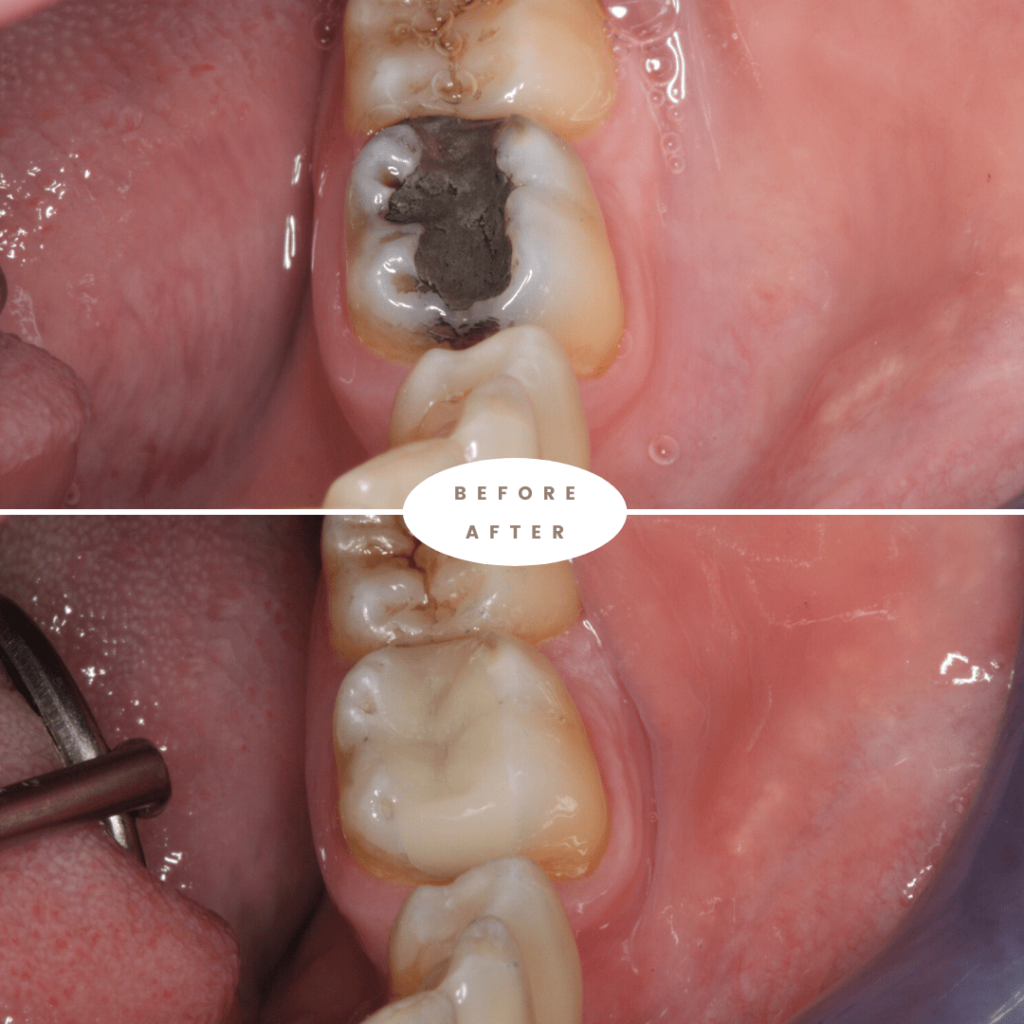
Nowadays, bonding is the method of choice for restoring decayed back and front teeth. It is a much better alternative to amalgam fillings in terms of aesthetics and strength.
Cosmetic purposes
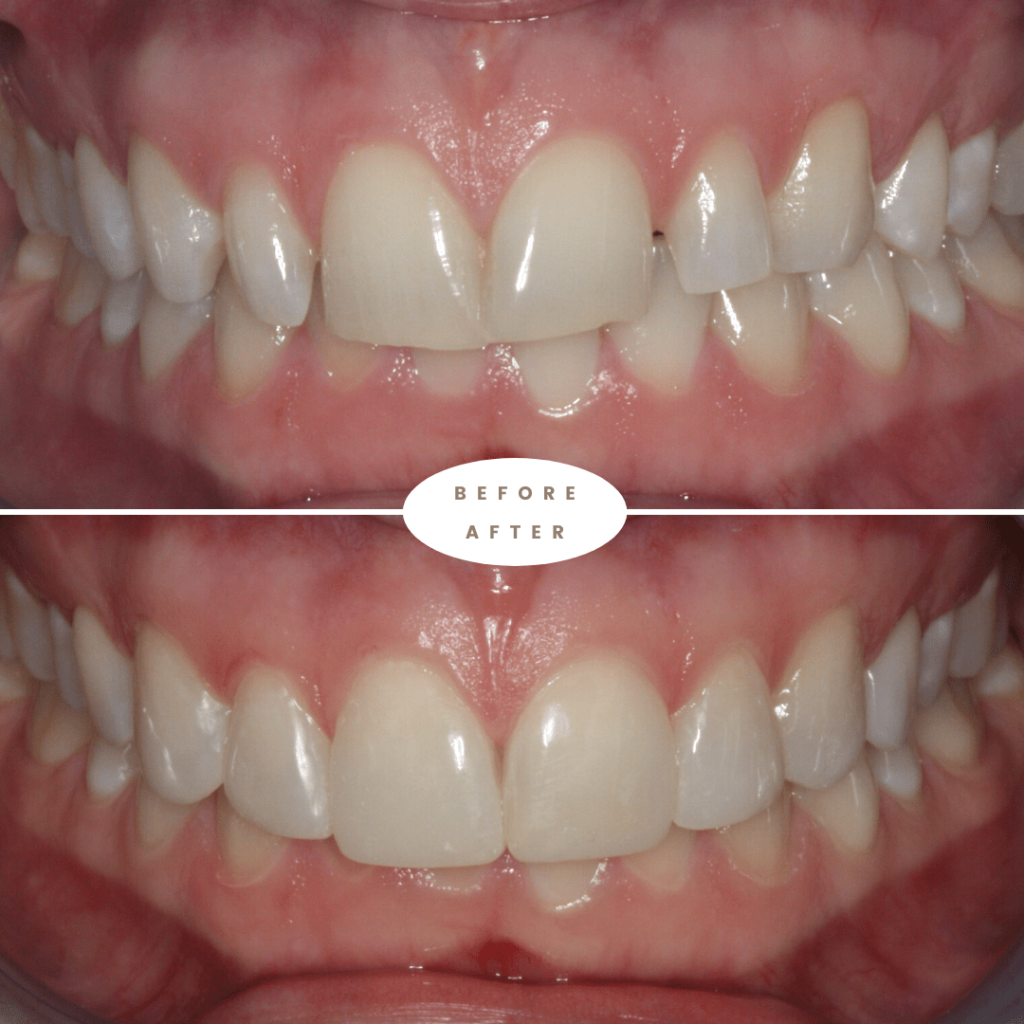
Bonding is a very popular choice when small modifications are needed to improve the aesthetics of front teeth. It can be used to improve the shape, size, and position of the front teeth, most of the time without the need for local anaesthetics and removal of tooth structure.
Restoring decay
Nowadays bonding is the method of choice to restore tooth decay both on back and front teeth. It is a much better alternative to amalgam fillings in terms of aesthetics and strength.
Cosmetic purposes
Bonding is a very popular choice when small modifications are needed on front teeth, to improve aesthetics. It can be used to improve the shape, size and position of the front teeth, most of the time without the need of local anaesthetics and removal of tooth structure.
Closing gaps between teeth
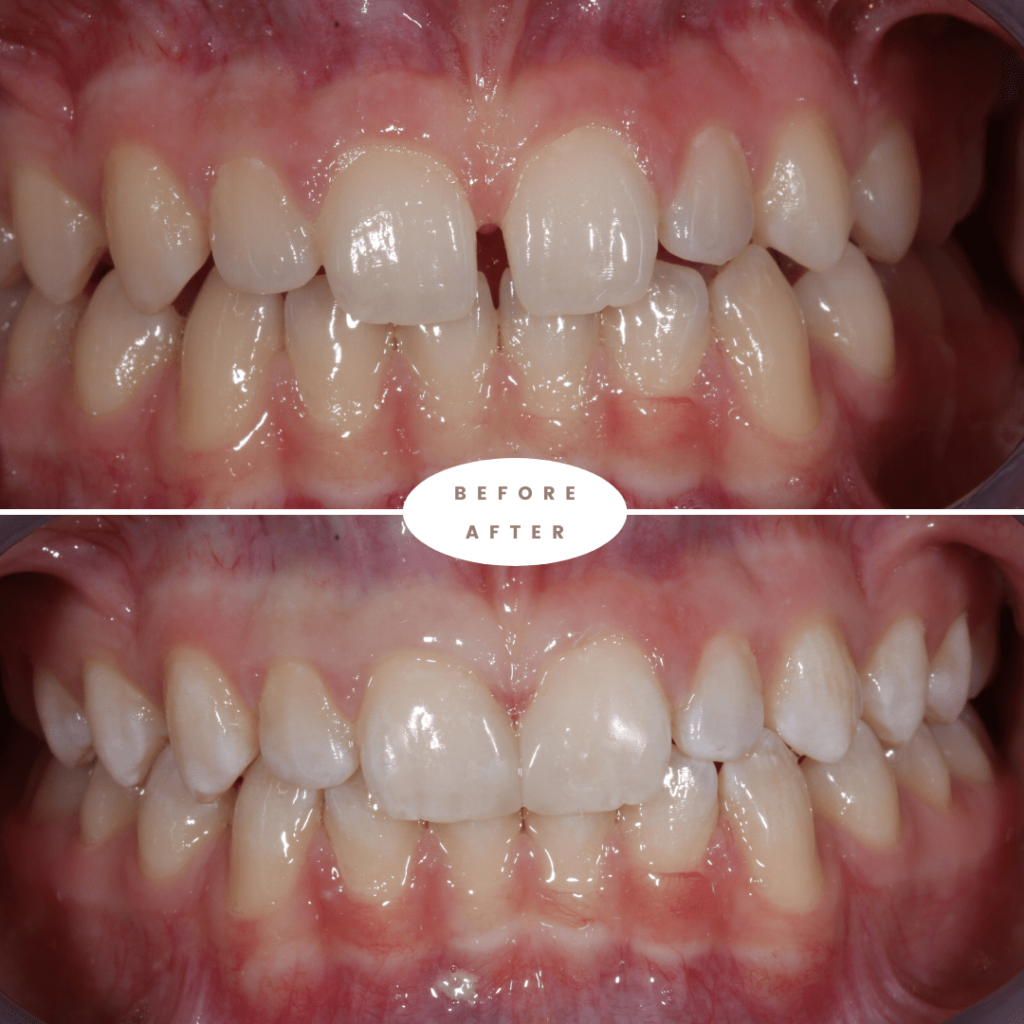
Another popular use of composite bonding is to close diastemas. Resin can be added and shaped to close gaps in a very natural way.
Improving the appearance of discoloured teeth
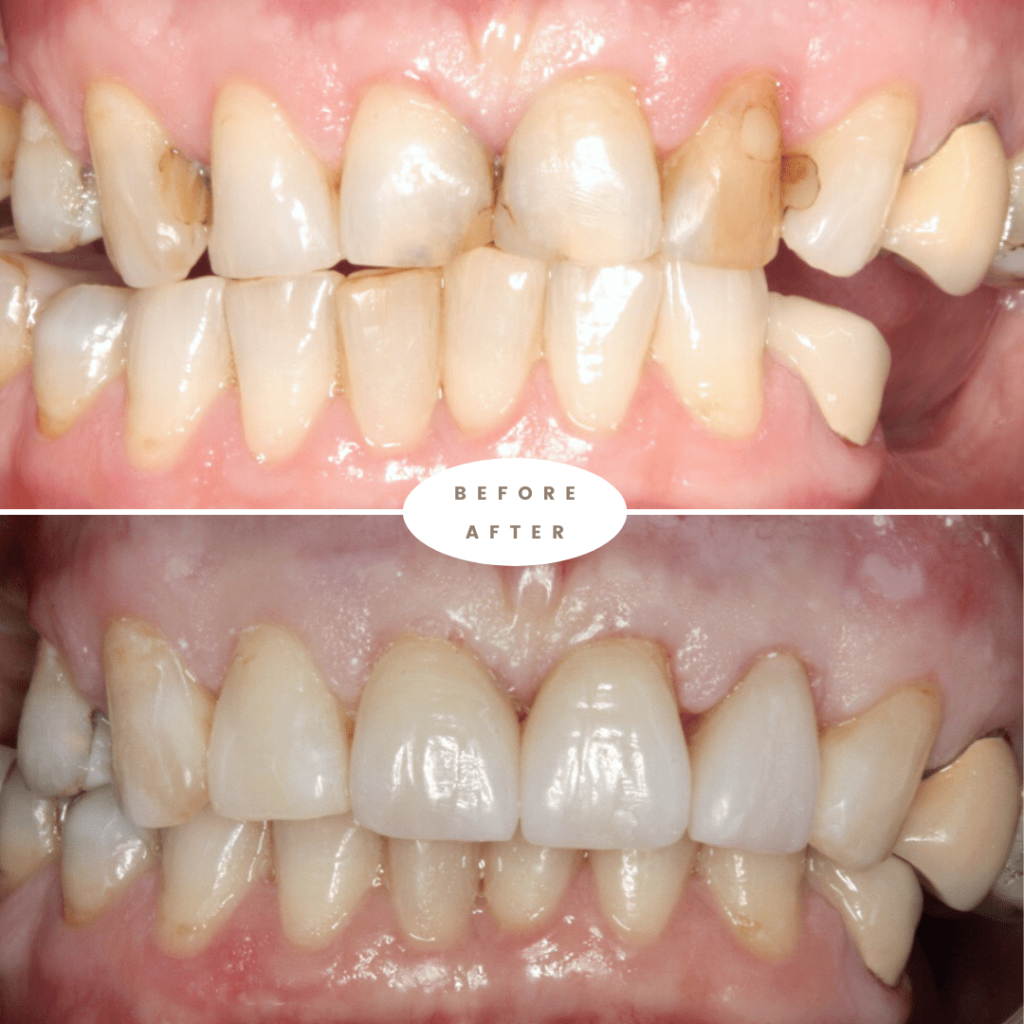
Composite veneers can be used to cover discoloured teeth when whitening alone can’t fix the issue (for example, on root-canal-treated teeth).
Closing gaps between teeth
Another popular use of composite bonding is to close diastemas. Resin can be added and shaped to close gaps in a very natural way.
Improving the appearance of discoloured teeth
Composite veneers can be used to cover discoloured teeth, when whitening by itself can’t fix the issue (for example on root-canal-treated teeth).
Fixing chipped and worn teeth
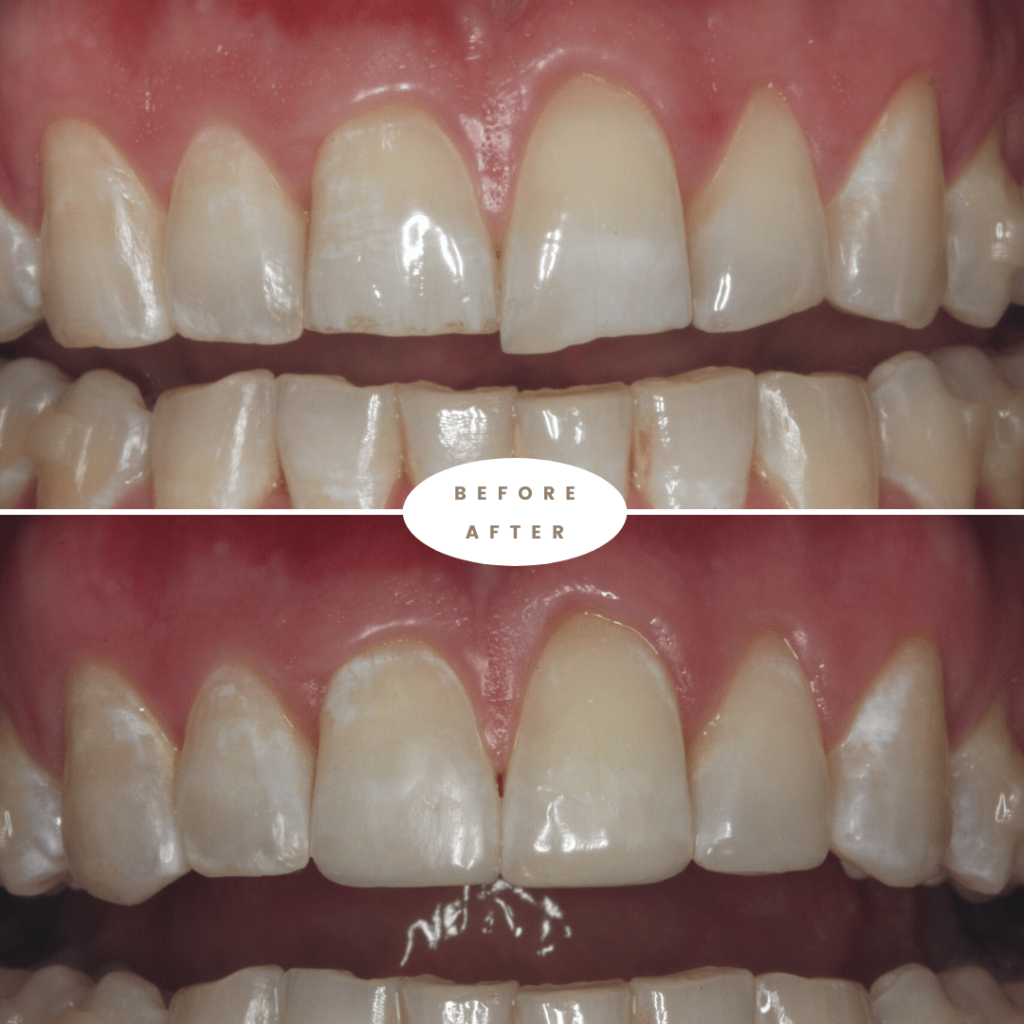
Over time, front teeth tend to chip and wear down, creating uneven edges. This can be corrected by adding composite to replace the original missed tooth structure, restoring shape and size. This not only protects the remaining tooth but also gives the smile a natural, youthful look.
Covering Roots Exposed by Gum Recession
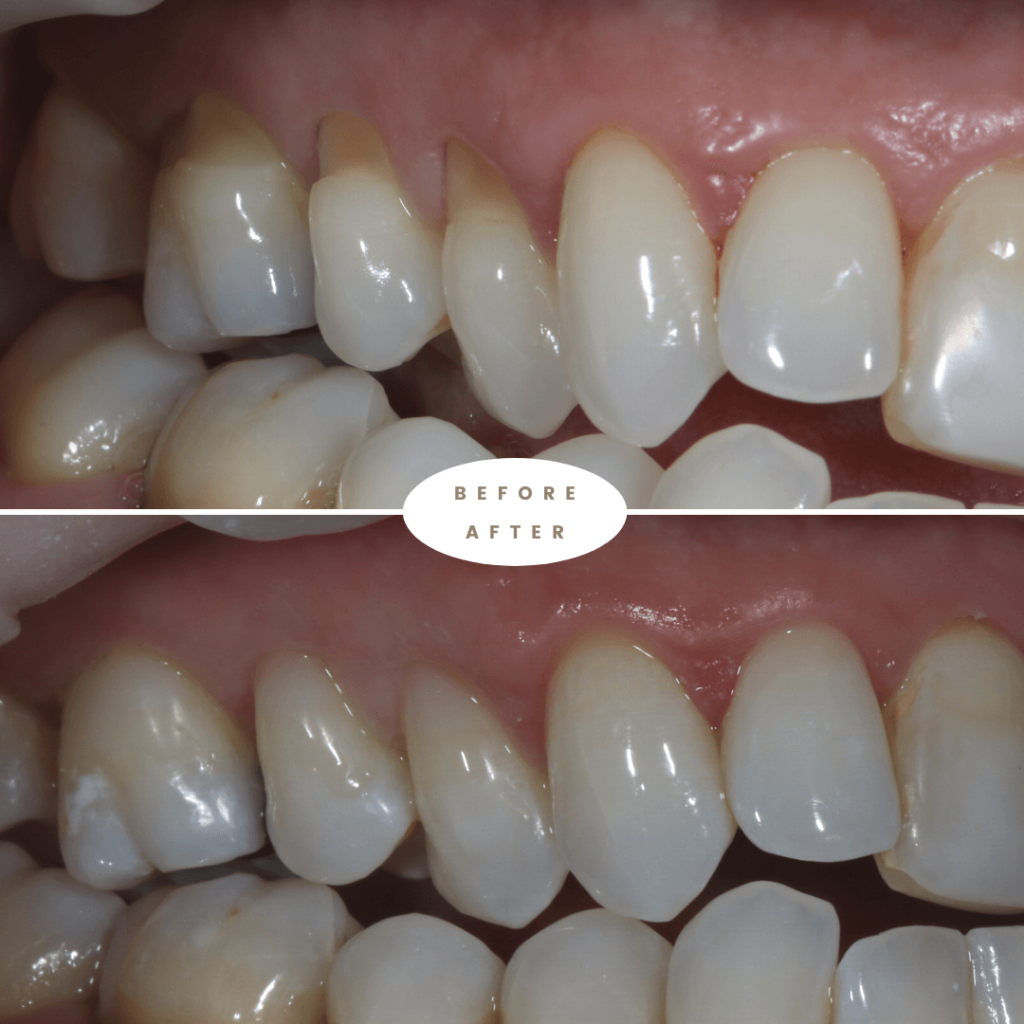
Gum recession is very common in adults and can cause tooth sensitivity when the root becomes exposed and unprotected. Composite resin can be used to cover and restore it, which improves the sensitivity and protects the fragile root surface from more wear.
Fixing chipped and worn teeth
Over time, front teeth tend to get chipped and worn down, creating uneven edges. This can be corrected by adding composite to replace the original missed tooth structure, restoring shape and size. This not only protects the remaining tooth, but also gives the smile a natural and young look.
Covering roots exposed from gum recession
Gum recession is very common in adults and can cause tooth sensitivity, from the root being exposed and unprotected. Composite resin can be used to cover and restore it, which improves the sensitivity and protects the fragile root surface from more wear.
How Does Composite Bonding Work?
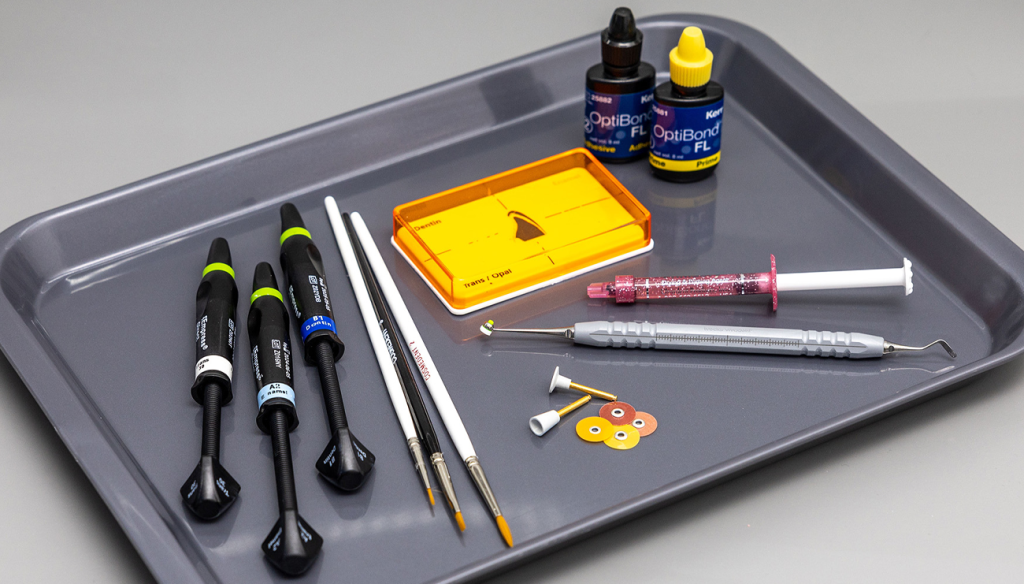
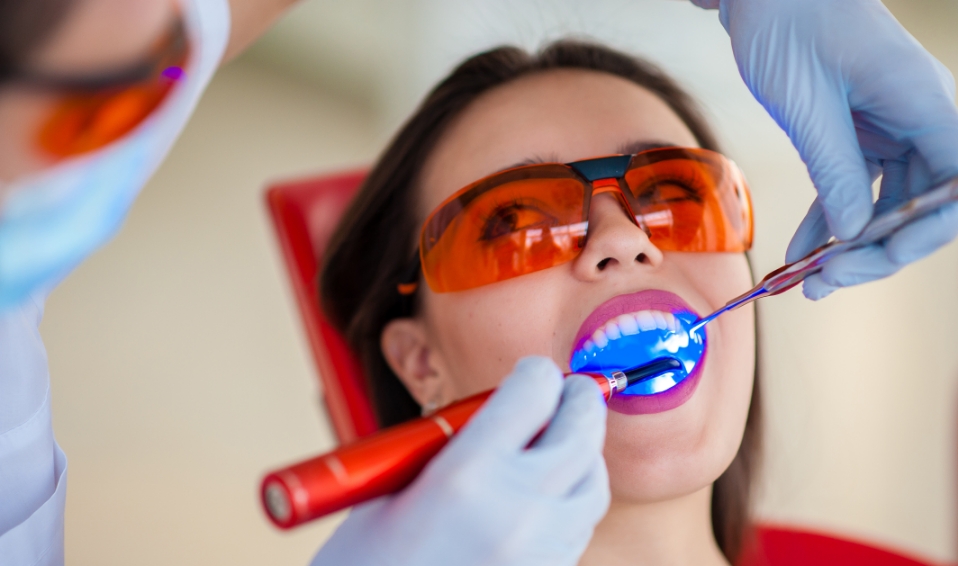
Firstly, the tooth surface is cleaned and prepared with etching and adhesive agents to create the connection between the tooth structure and the resin material. Then the shade of the resin is chosen to match the tooth, and small layers of composite resin are placed and “shaped.” These layers are hardened by a special UV curing light. When the process is finished, the restoration is adjusted and polished. A bonding procedure usually takes from 30 to 60 minutes per tooth, depending on the case.
How does composite bonding work?
Firstly, the tooth surface is cleaned and prepared with etching and adhesive agents, to create the connection between the tooth structure and the resin material.
Then the shade of the resin is chosen to match the tooth and small layers of composite resin are placed and “shaped.” These layers are hardened by a special UV curing light. When the process is finished, the restoration is adjusted and polished. A bonding procedure usually takes from 30-60 minutes per tooth, depending on the case.
What Are the Advantages of Dental Bonding?
There are many advantages of cosmetic bonding, including:
Cost. Bonding is one of the most cost-effective restorative dental procedures.
Conservative. Minimal or no removal of tooth structure.
No need for local anaesthetics for cosmetic procedures.
Easy maintenance. Bonding is easy to maintain and repair.
Dr Patricia, part of our team of dentists Sydney relies on, is an expert in composite bonding and can transform smiles with her artistic skills and eye for detail. By using the exclusive “layering technique”, her restorations mimic the natural tooth structure with its different layers of translucency and texture, making them invisible.
There are many advantages of cosmetic bonding including:
Cost. Bonding is one the most cost-effective restorative dental procedures.
Conservative. Minimal or no removal of tooth structure.
No need for local anaesthetics for cosmetic procedures.
Easy maintenance. Bonding is easy to maintain and repair.
Dr Patricia is an expert in composite bonding and can transform smiles with her artistic skills and eye to detail. By using the exclusive “layering technique”, her restorations mimic the natural tooth structure with its different layers of translucency and texture, making them invisible.
Knowing what to expect makes the whole experience more comfortable. Here is a simple walkthrough of what happens during a typical composite bonding visit at Vivaldi Smile Artisans.
Consultation and planning. Dr Patricia will examine your teeth, discuss your goals, and confirm that composite bonding is the right solution for you. Photographs and shade matching are done at this stage to ensure a precise, natural result.
Preparation. For most cosmetic bonding cases, no anaesthetic is needed and no tooth structure is removed. The surface is gently cleaned, then etched and primed with a bonding agent to help the resin adhere securely.
Shaping and sculpting. Composite resin is applied in thin layers and carefully sculpted by hand. Dr Patricia uses her signature layering technique to replicate the natural translucency and texture of your tooth, blending seamlessly with surrounding teeth.
Curing and finishing. Each layer is hardened with a UV curing light. Once the final shape is achieved, the restoration is polished to a smooth, lifelike finish. Most single-tooth treatments are complete within 30 to 60 minutes.
Frequently Asked Questions About Composite Bonding
How long does composite bonding last?
With good oral hygiene and regular dental visits, composite bonding typically lasts between five and seven years. Avoiding habits like nail biting or chewing hard objects helps extend the life of your restoration.
Will the bonding match my natural teeth?
Yes. The resin shade is carefully selected to match your surrounding teeth, and Dr Patricia’s layering technique ensures the result looks natural in any light.
Is composite bonding the same as a veneer?
They are similar but not identical. Composite bonding is applied directly to the tooth in a single visit and requires little to no removal of tooth structure. Porcelain veneers are crafted in a lab and generally involve a more involved preparation process. Your dentist can help you decide which option suits your goals and budget.
Book Your Smile Consultation With Dentists Sydney Loves
If you are curious about what composite bonding could do for your smile, we would love to help. Our team at Vivaldi Smile Artisans takes the time to understand what you want and create results that feel natural and look beautiful. Call us or book your consultation online to get started.
Before & After Treatment
If you’re ready to start smiling more, come and visit us in our Sydney CBD dental clinic
We’re excited that you have taken an interest in orthodontic treatment with our practice. To make the process easier, help our staff understand your needs and save you some time in our office, please answer a few questions for us online so that we can get you added to our system.